Anxiety in Teens
The Posture-Anxiety Connection in Teens
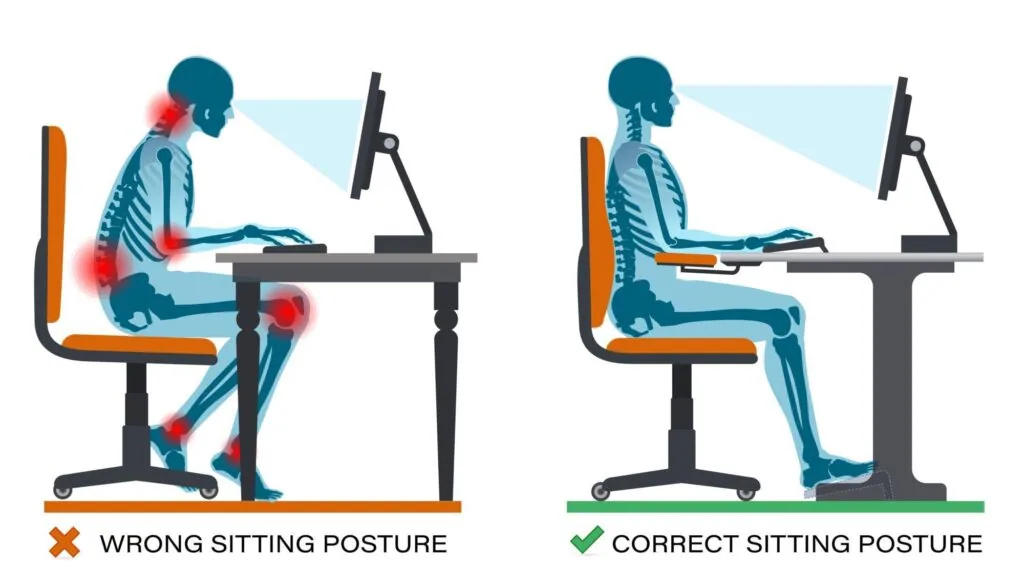
Anxiety in teenagers is more than just worry—it’s a full-body experience. When a teen feels anxious, their shoulders creep toward their ears, their chest collapses inward, and their gaze drops. Over time, this hunched, closed-off posture becomes habitual, and here’s the critical part: poor posture actually reinforces anxiety rather than relieving it.
Your brain and body are in constant conversation. When you slouch or cave inward, your nervous system interprets that position as defensive or defeated. This signals to your brain that something is wrong, amplifying feelings of worry, self-doubt, and social unease. For anxious teens already struggling with confidence, poor posture becomes a feedback loop that makes anxiety worse.
How Posture Shapes Teen Confidence
Research on “power posture” shows that how we hold our bodies affects our emotional state and self-perception. When teens sit and stand tall—shoulders back, chest open, spine aligned—their brains receive signals of strength and capability. This isn’t about forcing fake confidence; it’s about giving your nervous system accurate information about your actual physical state.
Upright posture:
- Allows deeper, fuller breathing, which calms the nervous system
- Opens the chest and improves oxygen flow to the brain
- Engages core muscles, creating physical stability that translates to emotional steadiness
- Shifts eye gaze upward, naturally encouraging a more engaged and present mental state
- Reduces the physical “collapse” that signals defeat to the brain
Many anxious teens don’t realize their posture is working against their mental health. They’re already struggling internally, and their slumped shoulders are sending their brain the message that they should feel even more anxious.
Postural Retraining Matters for Anxious Teens
Unlike medication or therapy alone, postural retraining is a direct, embodied tool that teens can use anywhere—in class, at home, before a test or social event. It’s actionable and gives them a sense of control over their own nervous system response.
Dr. Espinosa supports this process by addressing the physical foundation: spinal misalignments, tight chest muscles, and restricted shoulder mobility. When your spine is aligned and your rib cage can move freely, good posture becomes easier to maintain. Chiropractic adjustments remove physical barriers to upright, confident positioning.
Postural coaching from Dr. Espinosa teaches teens to:
- Recognize when they’re slumping and gently reset their alignment
- Understand how their physical position affects their mood and confidence
- Build body awareness without judgment or perfectionism
- Create a non-pharmaceutical tool they control themselves
Posture Tips for Anxious Teens
Start with one simple cue: imagine a string gently pulling the crown of your head toward the ceiling. Your shoulders naturally drop, your chest lifts, and your spine lengthens. This isn’t rigid or tense—it’s aligned and open.
Encourage your teen to practice this reset several times a day, especially before stressful moments: entering the classroom, joining friends at lunch, or starting homework. Over time, good posture becomes automatic rather than effortful.
Strength-building also helps. Teens whose back and neck muscles are strong can maintain upright posture without fatigue, making it sustainable rather than another source of frustration.
A Non-Pharmaceutical Path to Teen Confidence
Anxiety in teens is real and multifaceted, but posture coaching and chiropractic care from Dr. Espinosa offer a natural, accessible avenue that puts power back in your teen’s hands. You’re not asking them to “think positive” or “just relax.” You’re giving them a physical practice that their brain and body will respond to naturally.
When teens feel their shoulders drop, their breathing deepen, and their spine lengthen, they physically experience what confidence feels like. That direct, embodied experience is powerful—and it’s something they can use for the rest of their lives.
If your teen struggles with anxiety and you’re looking for natural, whole-body support, our team at Espinosa Family Chiropractic specializes in postural assessment and spinal care for teens. We can identify postural patterns that might be amplifying anxiety and work with your teen to build a stronger, more confident physical foundation. Reach out to schedule a consultation, or call us at (916) 457-8825 to learn more about how chiropractic care from Dr. Espinosa can support your teen’s confidence and wellness.