From Crawling to Clicking
How Early Posture Habits Shape a Lifetime
You’ve probably noticed how naturally your infant finds different positions—rolling, reaching, crawling. These aren’t random movements. They’re the building blocks of posture and spinal health that will carry your child through their entire life. The truth is, the habits formed in those first few years create patterns that often persist into adulthood, for better or worse.
Healthy posture development begins with movement freedom. Babies who crawl, roll, and explore their environment develop strong stabilizing muscles in their core and spine. They learn balance, coordination, and body awareness without thinking about it. These early movement experiences literally shape the structure and function of their growing spine.
When Movement Gets Limited
Modern childhood, however, looks very different than it did just a generation ago. Babies spend more time in carriers, swings, and seats. Toddlers and preschoolers are introduced to screens earlier—tablets for educational apps, videos during car rides, structured video calls with grandparents. While these tools offer real benefits, extended periods of stillness combined with downward head tilt and rounded shoulders create postural stress even in young bodies.
A child hunched over a tablet is already training their spine into a forward-head posture. This might seem harmless at age three, but think of it as setting a default position. Year after year, that pattern becomes automatic. By the time they’re teenagers sitting at desks or young adults working on laptops, their spine has been primed to default to poor alignment.
The Ripple Effect Into Adulthood
Poor posture in childhood doesn’t just disappear. Research and clinical experience show that children who develop slouching, forward-head positions are more likely to experience neck pain, headaches, and back discomfort as they grow. The muscles around their spine adapt to poor alignment, making good posture feel uncomfortable or effortful later on. Some children develop compensatory movement patterns that can lead to injury during sports or everyday activities.
Beyond pain, postural habits affect breathing, digestion, and even mood. A child who spends hours hunched over a screen is not taking full, deep breaths. A teenager with rounded shoulders and forward head posture may experience less confidence simply because their body language reflects it.
Building Healthy Movement Habits Now
The good news: you have tremendous power to shape your child’s postural future right now. Encourage crawling in infants—it’s one of the most important developmental movements for spine and coordination. Set limits on screen time for toddlers and preschoolers; the American Academy of Pediatrics recommends minimal screen exposure for children under five, and there are solid developmental reasons for that.
Create an environment rich in climbing, running, reaching, and playing on the floor. These activities naturally train good posture because they require your child to engage their core and stabilizing muscles. If your child uses screens, take frequent breaks, ensure the device is at eye level (not below), and model good posture yourself—children learn what they see.
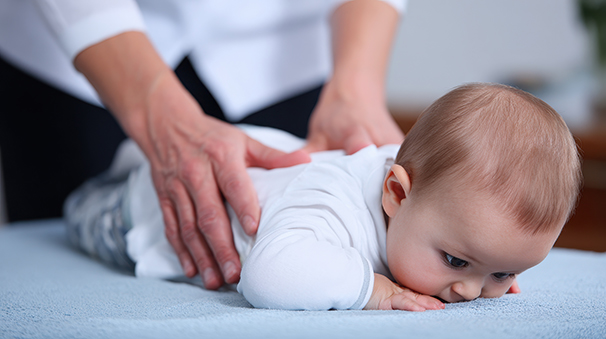
If you notice your child consistently favoring one side, showing signs of pain or discomfort during normal movement, or developing noticeable postural asymmetries, Dr. Espinosa can help. Pediatric chiropractic care focuses on ensuring proper spinal alignment and movement patterns during these critical developmental years. A gentle adjustment or guidance on movement and ergonomics can prevent years of compensation and pain down the road.
Think of it as preventive care for their spine—the same way you’d establish good dental habits now to protect their teeth for life. Building healthy posture and movement patterns in childhood is one of the greatest gifts you can give your child’s future health.
Ready to talk? Call (916) 457-8825 or visit our contact page.