Posts by Espinosa
The Stress-Spine Connection
When Stress Gets Physical
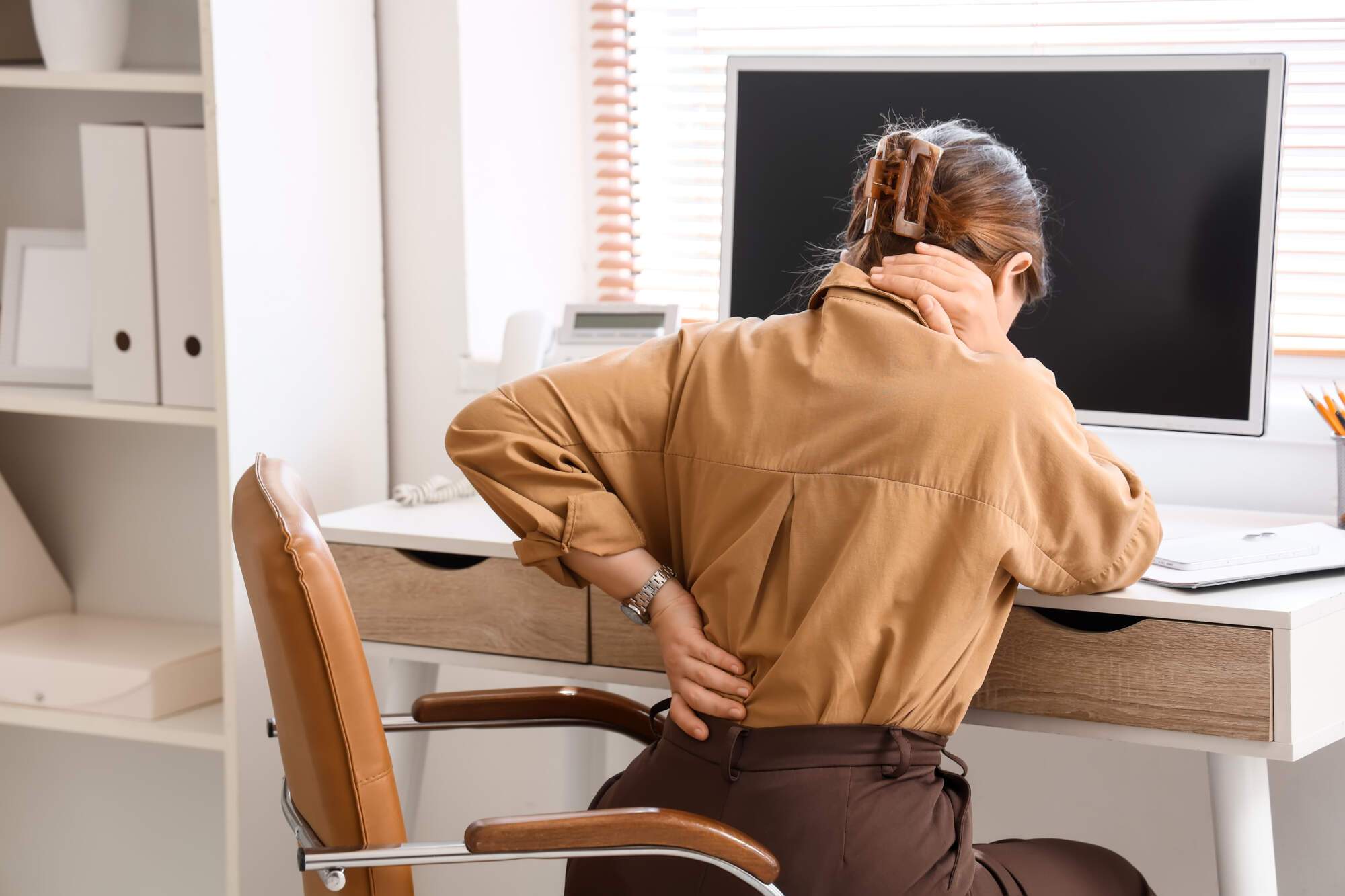
Anxiety doesn’t just live in your mind—it lives in your body. When you’re stressed, worried, or overwhelmed, your nervous system shifts into high alert. Blood flow redirects to your limbs, your breathing becomes shallow, and your muscles—especially those in your neck, shoulders, and upper back—tighten into protective knots. Over time, this stress-induced muscle guarding can pull your spine out of alignment, creating a painful cycle that feeds anxiety right back into tension.
Understanding this connection is the first step toward breaking it.
The Anatomy of Stress Tension
Your body’s stress response is ancient and wise—designed to help you escape danger. But modern stress doesn’t require running away. Instead, your muscles stay clenched, your posture collapses inward, and your breathing tightens. Three physical patterns emerge:
- Muscle guarding. Your trapezius (the large muscle across your upper back and shoulders) contracts protectively. Your neck muscles shorten. This sustained tension restricts blood flow and oxygen delivery to those tissues, making them sore and stiff.
- Shallow breathing. Anxiety narrows your breath into your chest rather than your belly. Shallow breathing reduces oxygen intake, feeds fatigue, and signals your nervous system to stay in high alert—a vicious loop.
- Postural collapse. Stressed and anxious people often hunch forward, rounding the shoulders and dropping the chin. This compounds upper spine misalignment and puts extra strain on your cervical (neck) vertebrae and the nerves they protect.
Misalignment Amplifies Anxiety
Tension and poor posture can pinch the nerves that run through your cervical spine. When nerves are compressed, they send pain signals back to your brain. Your brain interprets this pain as a threat—so it triggers more anxiety, which tightens your muscles further. What began as a mental stressor becomes a physical problem that keeps anxiety alive.
This is why stretching alone often isn’t enough. While stretches help, they don’t address the underlying spinal misalignment driving the tension in the first place.
Stress-Relief Tool
Spinal adjustments work to restore alignment and release the physical tension holding your anxiety in place. When vertebrae are realigned, nerve compression eases, pain diminishes, and blood flow improves. Many patients report that after an adjustment, their breathing naturally deepens and their shoulders visibly drop. The nervous system receives the signal that the threat has passed—and relaxation becomes possible again.
Chiropractic care isn’t a replacement for therapy or stress management practices, but it is a powerful complement. By addressing the physical component of stress, you interrupt the cycle at a level that stretching, meditation, or breathing exercises alone may not reach.
Posture and Ergonomics: Your Daily Stress Shield
Between adjustments, your awareness of posture and workspace setup makes a real difference. Slouching over a laptop, cradling your phone between your ear and shoulder, or sitting with forward head posture all feed into the stress-tension loop. Small adjustments yield big results:
- Position your screen at eye level so you’re not looking down.
- Keep your shoulders relaxed, not hunched toward your ears.
- Take movement breaks every 30 minutes—even a 2-minute walk helps reset your nervous system.
- Practice belly breathing: inhale slowly through your nose for a count of four, hold for four, exhale for four.
A Whole-Body Approach to Stress
Anxiety is real, and so are its physical consequences. But the good news is that you don’t have to choose between addressing your mind and your body—they work together. Regular chiropractic adjustments from Dr. Espinosa, mindful posture, intentional breathing, and movement create a comprehensive stress-management toolkit. When your spine is aligned, your nervous system can relax. When your nervous system relaxes, your mind follows.
If neck or shoulder tension has become a constant companion to your stress, it’s worth exploring whether spinal alignment is part of your solution. Contact us to schedule a consultation, and let’s work together to break the stress-tension cycle.
Call (916) 457-8825
Anxiety in Teens
The Posture-Anxiety Connection in Teens
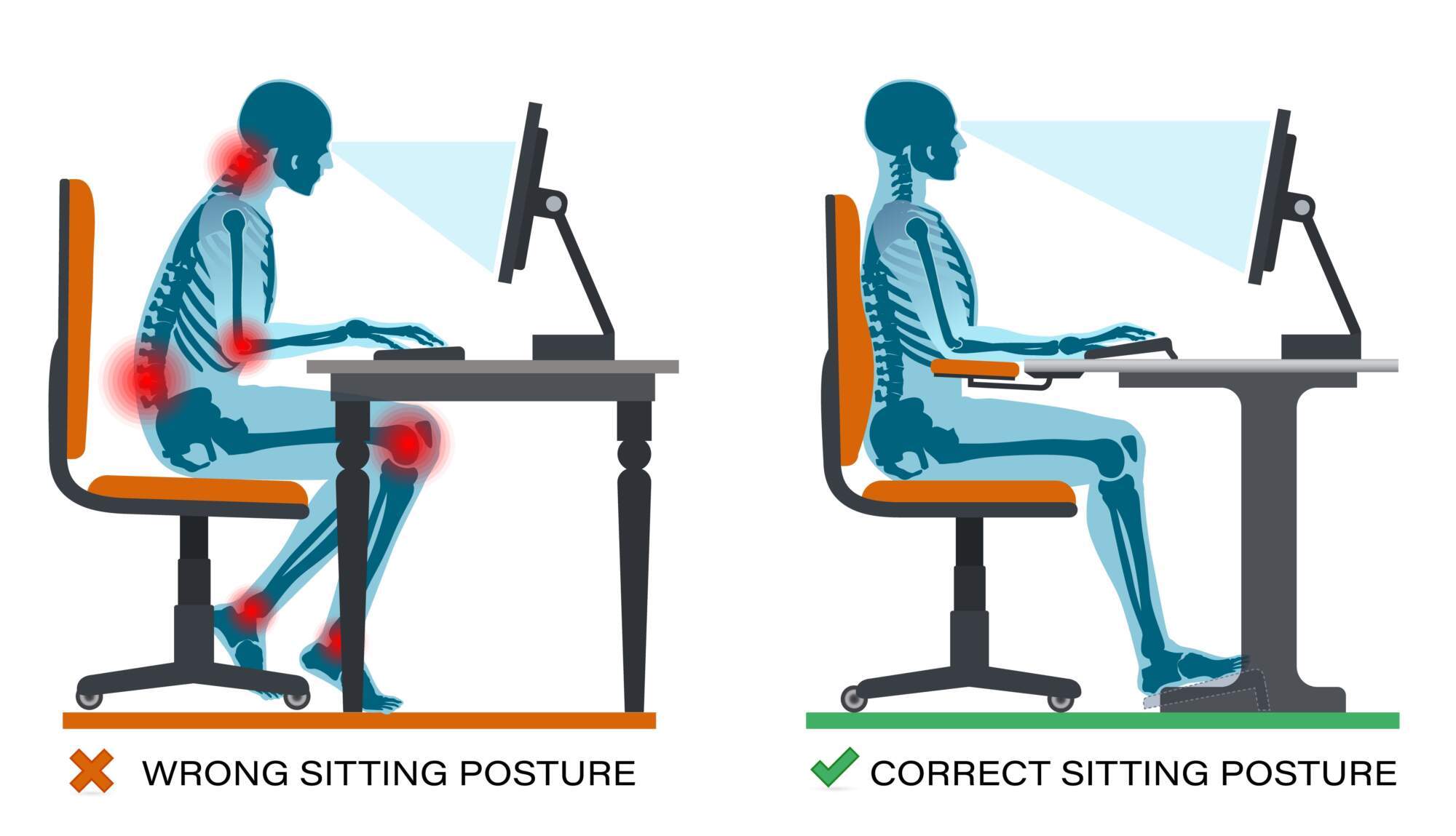
Anxiety in teenagers is more than just worry—it’s a full-body experience. When a teen feels anxious, their shoulders creep toward their ears, their chest collapses inward, and their gaze drops. Over time, this hunched, closed-off posture becomes habitual, and here’s the critical part: poor posture actually reinforces anxiety rather than relieving it.
Your brain and body are in constant conversation. When you slouch or cave inward, your nervous system interprets that position as defensive or defeated. This signals to your brain that something is wrong, amplifying feelings of worry, self-doubt, and social unease. For anxious teens already struggling with confidence, poor posture becomes a feedback loop that makes anxiety worse.
How Posture Shapes Teen Confidence
Research on “power posture” shows that how we hold our bodies affects our emotional state and self-perception. When teens sit and stand tall—shoulders back, chest open, spine aligned—their brains receive signals of strength and capability. This isn’t about forcing fake confidence; it’s about giving your nervous system accurate information about your actual physical state.
Upright posture:
- Allows deeper, fuller breathing, which calms the nervous system
- Opens the chest and improves oxygen flow to the brain
- Engages core muscles, creating physical stability that translates to emotional steadiness
- Shifts eye gaze upward, naturally encouraging a more engaged and present mental state
- Reduces the physical “collapse” that signals defeat to the brain
Many anxious teens don’t realize their posture is working against their mental health. They’re already struggling internally, and their slumped shoulders are sending their brain the message that they should feel even more anxious.
Postural Retraining Matters for Anxious Teens
Unlike medication or therapy alone, postural retraining is a direct, embodied tool that teens can use anywhere—in class, at home, before a test or social event. It’s actionable and gives them a sense of control over their own nervous system response.
Dr. Espinosa supports this process by addressing the physical foundation: spinal misalignments, tight chest muscles, and restricted shoulder mobility. When your spine is aligned and your rib cage can move freely, good posture becomes easier to maintain. Chiropractic adjustments remove physical barriers to upright, confident positioning.
Postural coaching from Dr. Espinosa teaches teens to:
- Recognize when they’re slumping and gently reset their alignment
- Understand how their physical position affects their mood and confidence
- Build body awareness without judgment or perfectionism
- Create a non-pharmaceutical tool they control themselves
Posture Tips for Anxious Teens
Start with one simple cue: imagine a string gently pulling the crown of your head toward the ceiling. Your shoulders naturally drop, your chest lifts, and your spine lengthens. This isn’t rigid or tense—it’s aligned and open.
Encourage your teen to practice this reset several times a day, especially before stressful moments: entering the classroom, joining friends at lunch, or starting homework. Over time, good posture becomes automatic rather than effortful.
Strength-building also helps. Teens whose back and neck muscles are strong can maintain upright posture without fatigue, making it sustainable rather than another source of frustration.
A Non-Pharmaceutical Path to Teen Confidence
Anxiety in teens is real and multifaceted, but posture coaching and chiropractic care from Dr. Espinosa offer a natural, accessible avenue that puts power back in your teen’s hands. You’re not asking them to “think positive” or “just relax.” You’re giving them a physical practice that their brain and body will respond to naturally.
When teens feel their shoulders drop, their breathing deepen, and their spine lengthen, they physically experience what confidence feels like. That direct, embodied experience is powerful—and it’s something they can use for the rest of their lives.
If your teen struggles with anxiety and you’re looking for natural, whole-body support, our team at Espinosa Family Chiropractic specializes in postural assessment and spinal care for teens. We can identify postural patterns that might be amplifying anxiety and work with your teen to build a stronger, more confident physical foundation. Reach out to schedule a consultation, or call us at (916) 457-8825 to learn more about how chiropractic care from Dr. Espinosa can support your teen’s confidence and wellness.
Caring for Your Aging Parent’s Spine

Supporting Your Parent’s Independence Through Spinal Health
Watching a parent age can be bittersweet. You want them to stay active, independent, and pain-free—yet you also notice the small changes: a stiffer gait, complaints of chronic back pain, or hesitation before standing up from a chair. Many adult children don’t realize that proactive spinal care can be one of the most powerful tools for keeping aging parents mobile, confident, and living the life they want.
Falls, mobility loss, and chronic pain aren’t inevitable parts of aging. They’re often signals that the spine and nervous system need support. Introducing chiropractic wellness to your aging parent isn’t about treating a crisis—it’s about preventing one.
The Spine Matters More as We Age
The spine is the foundation of everything your parent does: walking, reaching, bending, and even sleeping comfortably. Over decades, wear and tear, postural habits, previous injuries, and reduced activity levels can lead to spinal misalignment, stiffness, and nerve irritation. These changes don’t happen overnight, but they compound.
Common aging-related spine issues include:
- Reduced spinal mobility: Discs lose hydration and vertebrae become less flexible, making everyday movements feel stiff or painful.
- Muscle weakness: Core muscles weaken without regular strengthening, putting more load on the spine and increasing fall risk.
- Chronic pain: Arthritis, stenosis, and degenerative disc changes develop silently and worsen without intervention.
- Balance and coordination decline: Spinal misalignment can affect proprioception (body awareness), making falls more likely.
The encouraging news: chiropractic adjustments and wellness care can slow or even reverse many of these changes, keeping your parent active and independent longer.
Falls, Fear, and Loss of Independence
Falls are the leading cause of injury-related death among seniors. But beyond the physical injury, a single fall often triggers psychological fear—and fear leads to reduced activity, isolation, and accelerated decline. A parent who falls may avoid walking, climbing stairs, or going out, which weakens muscles further and increases fall risk again. It’s a dangerous cycle.
Chiropractic care addresses fall risk from multiple angles. Regular adjustments improve spinal alignment and mobility, strengthen supporting muscles through targeted exercises, and enhance balance and proprioception. Many seniors report feeling more confident and steady after consistent chiropractic wellness visits.
You don’t need to wait for your parent to be in pain or injured. In fact, preventive care is most effective before problems become serious. Signs it’s time to discuss chiropractic care with your aging parent include:
- Complaints of stiffness, especially in the morning or after sitting
- Reduced mobility or avoiding activities they once enjoyed
- Chronic pain in the neck, back, or joints
- Balance concerns or near-falls
- Recent fall or injury
- General decline in energy or quality of life
If your parent has already experienced a fall or is showing signs of mobility loss, a chiropractic evaluation becomes even more important. Dr. Espinosa can assess spinal alignment, muscle strength, and balance, then design a personalized wellness plan.
Chiropractic care for aging parents isn’t one-size-fits-all. Dr. Espinosa understands the unique needs of older bodies and adjusts techniques accordingly. This might include:
- Gentler, more targeted adjustments suited to the spine’s current condition
- Therapeutic exercises to strengthen core muscles and improve stability
- Posture and ergonomics coaching for daily activities
- Regular wellness visits to maintain mobility and catch developing problems early
Many seniors experience improved sleep, reduced chronic pain, and renewed confidence after beginning chiropractic care. They move better, feel better, and stay engaged in life.
If you’re concerned about your parent’s spinal health and independence, start with a conversation. Share what you’ve noticed—the stiffness, the hesitation, the reduced activity—and suggest a chiropractic wellness visit as part of their overall health strategy. Frame it as preventive care that supports the independence and quality of life they value.
Espinosa Family Chiropractic specializes in caring for patients across all ages, including seniors seeking to maintain mobility and wellness. If you’d like to explore how chiropractic care could benefit your aging parent, we’re here to help. Contact us to schedule a consultation, or call (916) 457-8825 to discuss your parent’s specific health goals.
Joint Stiffness

Why Do Your Joints Feel So Stiff in the Morning?
That familiar feeling of creaking joints and tight muscles when you first wake up is incredibly common—especially if you’re over 40 or spend most of your day at a desk. Morning joint stiffness can make even simple tasks like getting out of bed or reaching for your coffee feel uncomfortable. But understanding what’s happening in your body can help you address it effectively.
During sleep, your body enters a period of prolonged inactivity. Your joints and muscles aren’t moving, which allows fluid (called synovial fluid) that lubricates your joints to settle and thicken. This temporary stiffness usually resolves within a few minutes of movement, but for some people—particularly those with sedentary jobs or spinal misalignment—morning stiffness can linger for hours.
Three Main Culprits Behind Morning Joint Stiffness
Inactivity During Sleep
When you’re not moving, your joints naturally stiffen. The cartilage in your joints depends on movement to stay nourished and flexible. Eight hours without activity means your spine, hips, knees, and shoulders have been static all night. Adding poor sleeping posture (like sleeping on your stomach or hunching to one side) can intensify this effect by placing your spine in a misaligned position for hours.
Dehydration
Your spinal discs are about 80% water. When you sleep, you’re not drinking, and your body loses moisture through respiration and perspiration. Dehydrated discs become less elastic and can contribute to stiffness, particularly in your lower back and neck. This effect is magnified if you’re not drinking enough water throughout the day.
Spinal Misalignment
If your vertebrae are slightly out of alignment (what chiropractors call a subluxation), they restrict normal motion and put pressure on nerves and surrounding tissues. Over time, this reduces mobility and can cause inflammation. Morning stiffness is often a sign that your spine needs attention.
Practical Steps You Can Take Right Now
Start Moving Before You Leave Bed
Don’t jump straight up. Instead, try gentle movements while lying down: rotate your ankles, roll your shoulders backward, and do a few slow spinal twists by pulling one knee toward your chest and gently rotating your torso. These micro-movements wake up your joints and begin rehydrating your discs.
Hydrate First Thing
Drink a large glass of water as soon as you wake. This rehydrates your discs and helps flush out metabolic waste that builds up overnight. Staying consistently hydrated throughout the day also supports long-term joint and disc health.
Try These Morning Stretches
- Neck rolls: Slowly circle your head five times in each direction, pausing if you feel tension.
- Cat-cow stretch: On hands and knees, alternate between arching and rounding your spine.
- Forward fold: Stand and gently fold forward, letting your arms dangle. Don’t force it—just breathe and let gravity work.
- Hip circles: Stand with hands on hips and make slow, wide circles with your hips.
Hold each stretch for 20–30 seconds and avoid bouncing, which can strain tight muscles.
Improve Your Sleep Posture
Sleep on your back or side with proper pillow support. Your pillow should keep your neck in neutral alignment (not too high or too low), and a pillow between your knees (if side-sleeping) supports spinal alignment. Better posture at night dramatically reduces morning stiffness.
If joint stiffness persists despite stretching and hydration, spinal misalignment may be the root cause. Chiropractic adjustments realign your vertebrae, restore normal joint motion, and reduce nerve irritation. Regular adjustments from Dr. Espinosa can prevent chronic stiffness from developing and help you wake up feeling mobile and pain-free.
Joint stiffness doesn’t have to be part of your routine. By addressing inactivity, hydration, and spinal alignment, you can reclaim your mornings and move through your day with greater ease. If you’d like to explore how we can help, contact us to schedule a consultation.
Or Call (916) 457-8825
Ear Infections

The Connection Between Your Child’s Spine and Ear Health
If your young child keeps getting ear infections, you’re not alone—and you’ve probably wondered why it keeps happening. Most parents focus on the ear itself, but emerging research and clinical experience suggest the problem may reach deeper: to your child’s spine and nervous system.
The spine, especially in the neck and upper back, houses nerves and controls lymphatic drainage pathways that directly affect the ear canal and middle ear. When vertebrae slip slightly out of alignment—a condition chiropractors call a subluxation—they can interfere with these drainage channels and nerve function. The result: fluid backs up in the middle ear, creating an ideal environment for bacteria and viruses to thrive.
Spinal Misalignment Affects Lymphatic Drainage
Your child’s lymphatic system is their body’s natural cleaning crew. It drains fluid, removes dead cells, and fights infection without relying on the heart to pump it. Unlike blood circulation, lymphatic flow depends on muscle contractions and proper nerve signaling—and here’s the key: it depends on spinal alignment.
The nerves that regulate lymphatic drainage in the head and neck originate from the upper cervical spine (the neck vertebrae). When a child’s spine becomes misaligned—whether from birth trauma, falls, poor posture, or even sleeping position—these nerves lose their ability to send proper signals. Fluid pools instead of draining, and the middle ear becomes congested.
Recurrent ear infections often follow a pattern: fluid buildup → bacterial growth → infection → antibiotics → temporary relief → fluid returns. Breaking that cycle means restoring proper drainage, not just treating the infection after it happens.
Gentle chiropractic adjustments realign the vertebrae, restoring nerve function and allowing the lymphatic system to drain efficiently again. This isn’t about curing the ear infection itself—it’s about removing the physical obstruction that prevents your child’s body from clearing fluid naturally.
Studies and clinical observations suggest that children receiving chiropractic care experience fewer ear infections and shorter recovery times. Parents often report that after a series of adjustments, their child’s ear infections stop recurring altogether. The adjustment doesn’t fight the infection directly; it helps your child’s own immune system do its job.
Dr. Espinosa is trained in pediatric care and uses techniques tailored to children—gentle, specific, and completely safe. Adjustments take only minutes, and many children find the experience reassuring rather than uncomfortable.
While chiropractic care addresses the root cause, you can support drainage and spinal health at home:
- Monitor sleeping position: Side sleeping or a slightly elevated head can encourage fluid drainage and reduce pooling.
- Encourage movement: Active play and age-appropriate exercise help activate the lymphatic system.
- Avoid prolonged pressure on the neck: Be mindful of car seats, carriers, and tight clothing that might restrict neck mobility.
- Watch for postural habits: Even young children can develop poor posture habits that compress the spine over time.
A Natural First Step Worth Considering
If your child has had multiple ear infections, antibiotics may have become routine. Before the next round, consider exploring spinal alignment as a complementary approach. It addresses a root cause rather than just treating symptoms, and it’s entirely natural and non-invasive.
Your child’s body is designed to heal itself—sometimes it just needs the nervous system working properly to do so. A chiropractic evaluation can identify whether spinal misalignment is playing a role in your child’s recurrent ear infections and whether adjustments might help restore that natural drainage.
Ready to explore this natural option? The team at Espinosa Family Chiropractic specializes in pediatric care and understands the frustration of recurring ear infections. Contact us to schedule a consultation, or call (916) 457-8825 to discuss whether chiropractic care is right for your child.
Athletic Performance in Teen Athletes

The Spine is Your Teen Athlete’s Performance Engine
If your teenager is serious about sports—whether soccer, basketball, gymnastics, or track—you likely focus on training schedules, nutrition, and mental preparation. But there’s one critical factor many families overlook: spinal alignment. The spine isn’t just a support structure; it’s the central nervous system’s highway, directly controlling muscle activation, balance, and power transfer throughout the entire body.
When vertebrae are misaligned—what chiropractors call a subluxation—nerve function becomes compromised. That means muscles don’t fire efficiently, proprioception (body awareness) suffers, and athletic performance drops. For competitive teens, even small improvements in spinal alignment can mean the difference between a personal best and injury.
Three Pillars of Athletic Performance
Flexibility and Range of Motion
Teen athletes push their bodies hard, and tight muscles combined with misaligned vertebrae create a recipe for limited movement. When the spine is properly aligned, adjacent joints and muscles can move through their full range. This isn’t just about touching your toes—it’s about explosive rotational power in tennis serves, full-extension kicks in martial arts, and the agility needed for cutting and pivoting in team sports.
Restricted spinal mobility also forces compensatory movements. Your teen’s body will recruit alternative muscles to make up for what the spine can’t provide, leading to muscle imbalances, overuse injuries, and chronic soreness.
Power and Force Transfer
Every powerful movement—a jump, a throw, a sprint—relies on force traveling from the ground up through the legs, through a stable spine, and into the upper body. If vertebrae are out of alignment, that energy transfer breaks down. Power is lost, and joints above and below the misalignment take excess stress.
Proper spinal alignment ensures that the core stabilizers—the deep muscles that support the vertebrae—work in concert with larger muscle groups. This integrated activation is what allows teens to generate explosive power safely and consistently.
Endurance and Recovery
A misaligned spine creates chronic nerve irritation and muscle tension. Over the course of a season, this background stress exhausts the nervous system, making it harder for teens to maintain intensity as games or competitions wear on. Proper alignment reduces that baseline stress, so energy reserves stay available for peak performance.
Recovery also improves. When the spine supports optimal nerve function, circulation improves, inflammation resolves faster, and muscles repair more efficiently between training sessions and competitions.
Injury Prevention Through Spinal Health
Teen athletes are especially vulnerable to overuse injuries because their bodies are still growing. Growth plates and connective tissues are more sensitive to stress, and poor spinal alignment magnifies that risk.
Regular chiropractic care—including spinal adjustments from Dr. Espinosa—identifies and corrects misalignments before they cause injury. This proactive approach means fewer missed practices, shorter recovery times, and a longer competitive career free from chronic pain or structural problems.
Think of chiropractic care from Dr. Espinosa as part of your teen’s athletic support system, alongside strength coaches, trainers, and sports medicine doctors. Spinal adjustments restore proper alignment and nerve function, enhance mobility, and reduce injury risk. For young athletes in competitive programs, regular adjustments help maintain peak spinal health even during heavy training phases.
Dr. Espinosa works with teen athletes to address sport-specific alignment issues. A swimmer has different spinal demands than a distance runner; a gymnast’s spine faces different stresses than a baseball pitcher’s. Customized chiropractic care from Dr. Espinosa addresses these individual needs.
Adolescence is the perfect time to establish spinal health habits. Teens who prioritize alignment and nerve function during their athletic years often experience fewer back and neck problems as adults. They also develop an awareness of posture and body mechanics that benefits them in every aspect of life, from studying to future careers.
If your teen is serious about athletics, spinal alignment should be part of their training regimen. A properly aligned spine is a competitive advantage—one that fewer of your teen’s competitors are likely to be investing in.
Ready to optimize your teen’s spinal health and athletic potential? Schedule a consultation with Dr. Espinosa and discuss how chiropractic care can enhance your athlete’s performance and injury resilience.
Call (916) 457-8825 or visit our contact page.
Balance and Pregnancy

Pregnancy Changes Your Center of Gravity
During pregnancy, your body undergoes profound changes—and one of the most noticeable (and sometimes unsettling) is how your sense of balance shifts. As your baby grows, your center of gravity moves forward and upward, altering the way you stand, walk, and move through the world. This isn’t just uncomfortable; it can affect your safety and stability month by month.
Before pregnancy, your center of gravity sits roughly at your pelvis, keeping you balanced and coordinated. But as your belly expands, that center of gravity shifts forward, requiring your entire body to compensate. Your posture changes, your gait becomes different, and muscles you didn’t even know were working suddenly become very aware of their job. Understanding this shift can help you adapt and stay safe throughout your pregnancy.
Why Balance Gets Harder as Pregnancy Progresses
The challenge intensifies as you move through trimesters. In the first trimester, the shift is subtle—you might feel slightly clumsier or more tired, but nothing dramatic. By the second trimester, your belly is noticeably larger, and your posture often shifts to compensate. Your shoulders may round forward, your lower back may arch more, and your pelvis tilts to try to regain balance.
By the third trimester, many pregnant women report feeling genuinely unstable. Your body is heavier, your center of gravity is further forward, and hormonal changes like relaxin loosen your ligaments to prepare for birth—but this loosening also reduces joint stability. Add swollen feet and the simple fact that you can no longer see your feet, and the risk of falls increases significantly.
Falls during pregnancy aren’t just about embarrassment; they can cause injury to you and stress to your baby. That’s why maintaining balance and stability isn’t a luxury—it’s a practical health priority.
Chiropractic adjustments from Dr. Espinosa during pregnancy help keep your spine aligned and your pelvis balanced. When vertebrae shift out of alignment (subluxation), they can compromise the nervous system and make balance problems worse. Regular, pregnancy-safe adjustments help your body maintain proper posture and spinal stability as your center of gravity shifts.
Dr. Espinosa is experienced in prenatal care can also assess your pelvis alignment. A misaligned pelvis amplifies the balance challenge and can contribute to lower back pain, pelvic pain, and awkward gait. Adjustments help keep everything tracking smoothly as your baby grows.
Beyond adjustments, gentle movement helps tremendously. Pelvic floor exercises (Kegels) strengthen the muscles supporting your growing baby and help stabilize your core. Prenatal yoga and modified squats improve lower body strength without straining your joints. Walking remains one of the safest and most effective ways to maintain balance and cardiovascular fitness.
Always consult with your healthcare provider before starting any new exercise routine, but most pregnant women benefit from 20–30 minutes of gentle activity most days of the week. Dr. Espinosa can recommend exercises that complement your spinal alignment and support your changing posture.
Practical Tips for Daily Safety
As your balance shifts, take extra care in slippery environments—wet tile, icy sidewalks, and even wooden floors become higher-risk zones. Wear flat, supportive shoes with good grip. Hold railings on stairs. Move deliberately rather than quickly. Sleep on your left side to optimize circulation and reduce pressure on your spine.
Your body is doing an incredible job, and pregnancy is a temporary state—but the nine months you’re pregnant deserve attention and care. Chiropractic adjustments, prenatal exercises, and mindful movement help you stay balanced, reduce pain, and move confidently through your pregnancy.
If you’re pregnant and experiencing balance issues, pain, or postural concerns, reach out to our office. We specialize in prenatal chiropractic care and can help you feel more stable and comfortable during this remarkable time.
Call (916) 457-8825 or visit our contact page.
Postpartum Headaches

Postpartum Headaches and Neck Tension
Congratulations on your new arrival—and welcome to one of motherhood’s less-discussed challenges: those persistent headaches and neck tension that seem to arrive right alongside your baby. If you’re nursing, sleep-deprived, and noticing tightness creeping up the back of your neck, you’re not alone. Postpartum headaches affect many new mothers, and the causes are often interconnected.
Your body has been through tremendous change. Labor and delivery place stress on your spine, pelvis, and neck. Add in hormonal shifts—estrogen levels drop sharply after birth—and you have a recipe for tension headaches and muscle stiffness. Couple that with the physical demands of new motherhood, and relief can feel out of reach.
The Perfect Storm: Posture, Sleep, and Hormones
Nursing posture is often the biggest culprit. Hunching over your baby for multiple feeds per day rounds your shoulders forward and strains your neck and upper back. This forward head posture—even just a few inches—puts significant load on the muscles and joints of your cervical spine. Over hours and days, that tension builds into persistent headaches.
Sleep deprivation compounds the problem. New mothers rarely sleep for more than a few hours at a time, and often in awkward positions (feeding in bed, holding the baby upright). Poor sleep quality and interrupted rest prevent your muscles from relaxing and recovering, so tension accumulates.
Hormonal shifts also play a role. During pregnancy, your body produces relaxin—a hormone that loosens ligaments to prepare for birth. After delivery, relaxin levels drop, but your ligaments take weeks to months to regain full stability. This instability, combined with the physical toll of labor, can leave your neck and upper back vulnerable to strain and pain.
Chiropractic Care Is Safe and Effective for Postpartum Mothers
If you’re breastfeeding, you may worry that seeking treatment could affect your milk supply or your baby’s health. The good news: chiropractic adjustments from Dr. Espinosa are completely safe during nursing. Spinal adjustments don’t involve medication or substances that pass into breast milk. In fact, relieving the physical tension and nerve irritation causing your headaches can actually support your overall wellness—including your ability to rest and recover.
Dr. Espinosa works with postpartum mothers and understands the unique biomechanics of this recovery phase. A gentle adjustment to your cervical spine can restore proper alignment, reduce nerve irritation, and ease the muscle tension fueling your headaches. Many mothers report immediate relief after their first adjustment.
Posture Coaching and Self-Care Strategies
Beyond adjustments, Dr. Espinosa can teach you practical nursing posture tips. Small changes—like using a pillow to bring your baby up to breast level rather than hunching down, or alternating nursing positions—can dramatically reduce neck strain over the course of a day.
You’ll also receive guidance on sleeping positions, gentle stretches, and ergonomics for the moments when you’re holding your baby, changing diapers, or bottle-feeding (if applicable). These strategies empower you to manage tension at home, supporting the relief you gain from adjustments.
It’s also important to prioritize rest when possible. While sleep deprivation is nearly inevitable with a newborn, even brief moments of intentional relaxation—lying flat with your shoulders supported, or gentle neck stretches—can help prevent tension from snowballing into chronic pain.
Postpartum headaches and neck tension aren’t something you have to just endure. With your body still recovering from the profound changes of pregnancy and birth, getting support is not only reasonable—it’s part of taking care of yourself so you can be present for your baby. Dr. Espinosa offers a natural, drug-free path to relief that works alongside breastfeeding and your postpartum recovery.
If you’re struggling with postpartum headaches or neck tension, reach out. We work with new mothers regularly and understand the unique pressures on your body right now. A consultation with Dr. Espinosa is the first step toward feeling like yourself again.
Contact us to schedule an appointment, or call us at (916) 457-8825.
Asthma

How Your Posture Affects Your Breathing
If your child or teenager struggles with asthma, you’ve likely focused on triggers like allergens, exercise, and weather. But there’s a physical factor that often goes overlooked: posture. The way we sit, stand, and move throughout the day directly influences how much space our lungs have to expand—and poor posture can actually worsen asthma symptoms.
When we slouch or lean forward—a habit encouraged by hours spent at school desks, laptops, and phones—our chest cavity compresses. Our shoulders round forward, the spine curves unnaturally, and the muscles that help us breathe have to work harder. For someone with asthma, this added strain can trigger symptoms or make existing breathing difficulties more severe.
The Forward Head Posture Problem
Forward head posture is one of the most common postural issues we see, especially in young people. Every inch your head moves forward puts extra strain on your neck and upper back. This compression restricts the space around your lungs and diaphragm, the primary muscle responsible for breathing. When the diaphragm can’t move freely, your body relies more on shallow chest breathing, which is less efficient and can aggravate asthma symptoms.
School-age children and teenagers are particularly vulnerable. Between carrying heavy backpacks, sitting at desks for hours, hunching over homework, and constantly checking phones, their posture often deteriorates throughout the day. Over time, these habits can become ingrained, leading to chronic forward head posture that affects breathing capacity.
Screen Time and Rounded Shoulders
Rounded shoulders—medically called kyphosis when severe—compress the chest cavity and limit lung expansion. This posture is extremely common in families who spend significant time on computers, tablets, and phones. When a child sits with rounded shoulders for extended periods, the muscles across the chest tighten, the shoulder blades move outward, and the entire breathing apparatus becomes restricted.
For a child managing asthma, this physical restriction means their lungs have even less room to function optimally. The result: more frequent symptoms, increased reliance on rescue inhalers, and reduced activity tolerance.
The Spinal Connection to Airflow
Your spine isn’t just a structure for support—it’s central to your entire nervous and respiratory system. The nerves that control breathing and lung function originate from the cervical and thoracic spine (neck and mid-back). When vertebrae become misaligned due to poor posture, these nerve pathways can be compromised, affecting the signals that regulate breathing efficiency.
Chiropractic adjustments from Dr. Espinosa restore proper spinal alignment, which improves nerve function and allows your breathing muscles to work more effectively. By correcting postural misalignments and ensuring the spine is in optimal position, we can help reduce the physical restrictions that worsen asthma symptoms.
Practical Posture Habits for Your Family
While chiropractic care addresses spinal alignment, everyday habits matter too. Encourage your children to:
- Take screen breaks. Every 30 minutes, stand up, stretch, and reset your posture.
- Adjust desk and chair height. Eyes should be level with the top of the screen; feet should rest flat on the floor.
- Strengthen your core. A strong core supports upright posture naturally. Simple exercises like planks and wall sits help.
- Practice chin tucks. Gently draw your chin back (as if making a double chin) to counteract forward head posture.
- Be mindful of backpack weight. Heavy packs pull the spine into poor alignment; keep them under 10% of body weight and wear both straps.
A Comprehensive Approach to Asthma Management
Chiropractic care doesn’t replace asthma medication or medical management—it complements them. By correcting postural misalignments and ensuring optimal spinal function, we remove a physical barrier to healthy breathing. Many families find that when posture improves and the spine is properly aligned, asthma symptoms become more manageable and their children feel more comfortable and active.
If your family is managing asthma, especially if poor posture is part of the picture, it’s worth exploring how spinal health might help. A consultation with Dr. Espinosa can identify postural issues and create a plan to improve breathing capacity and overall wellness.
Call (916) 457-8825 or visit our contact page.
Breathing Better

The Link Between Your Spine and Your Breath
You probably don’t think about your spine when you take a breath—but your spine is actually central to how well you breathe. The relationship between spinal alignment and respiratory function is so close that poor posture or spinal misalignment can literally restrict the amount of air your lungs can take in. For families dealing with shallow breathing, low energy during exercise, or restless sleep, understanding this connection can be a game-changer.
Meet Your Diaphragm: Your Breathing Muscle
Breathing isn’t just a passive process. Your diaphragm—a large, dome-shaped muscle beneath your lungs—does most of the heavy lifting. When you inhale, your diaphragm contracts and flattens, creating space for your lungs to expand. When you exhale, it relaxes and moves back up. This muscle is controlled by the phrenic nerve, which originates from your cervical spine (neck and upper back) and travels down through your chest.
Here’s the critical part: if your spine is misaligned—what chiropractors call a subluxation—the nerves exiting your spine can become irritated or compressed. When this happens to the nerves controlling your diaphragm, your breathing becomes shallow and inefficient. You might not even realize it’s happening.
How Spinal Misalignment Affects Breathing
Subluxations in the cervical and thoracic (mid-back) spine are the usual culprits. They can restrict nerve function in several ways. Poor posture—hunching over a desk, slouching while texting, or rounded shoulders—gradually pulls the spine out of alignment. When your thoracic spine curves too much, your rib cage can’t expand fully. Your intercostal muscles (the muscles between your ribs that help with breathing) have less room to work.
The result? You take shallow breaths without realizing it. You might feel tired during exercise, struggle to catch your breath during physical activity, or wake up feeling unrested because your body didn’t get enough oxygen during sleep. Children with poor posture from backpacks or screen time may seem less energetic. Seniors with age-related spinal changes often report feeling winded more easily.
Better Breathing Through Spinal Alignment
Chiropractic adjustments from Dr. Espinosa restore proper alignment to your vertebrae, which relieves nerve pressure and restores normal diaphragm function. When your spine is aligned, your phrenic nerve can send clear signals to your diaphragm. Your intercostal muscles have full range of motion. Your lungs can fully expand and contract with each breath.
Patients often report noticeable improvements within days or weeks of beginning care. They breathe more deeply without thinking about it. They have more stamina during workouts. They sleep better because their body is getting the oxygen it needs. Kids become more active and focused when their breathing capacity improves.
Posture and Breathing Go Hand in Hand
Along with chiropractic adjustments from Dr. Espinosa, improving your daily posture supports better breathing. Sitting with your shoulders back, keeping your screen at eye level, and taking regular stretch breaks all help maintain spinal alignment and breathing efficiency. For families, even small changes—like encouraging kids to wear backpacks correctly or setting up a better home office—can have surprising benefits.
Your spine and your breath are partners in wellness. When one is out of balance, the other suffers. Dr. Espinosa addresses this connection directly, helping your entire body function better from the inside out.
Call (916) 457-8825 or visit our contact page.